


What Is the Best Office Space Layout for Hybrid Teams?
22 Jul 2026 –– Tips & Advice

Hybrid working is no longer a temporary fix, it's how most modern teams operate. But as more businesses split time between home and the office, one question keeps coming up: what does an office actually need to look like now?


The old model of rows of fixed desks doesn't work for a team that's only in three days a week. The best office space layout for hybrid teams isn't about fitting in more desks; it's about designing a space that earns the commute, supporting the moments that are genuinely better done face-to-face.
Here's what that looks like in practice.
1. Activity-Based Working Zones
Rather than one layout for everyone, activity-based working (ABW) splits the office into zones designed around different tasks:
- Collaboration zones — open, flexible areas with movable furniture for team huddles and brainstorming
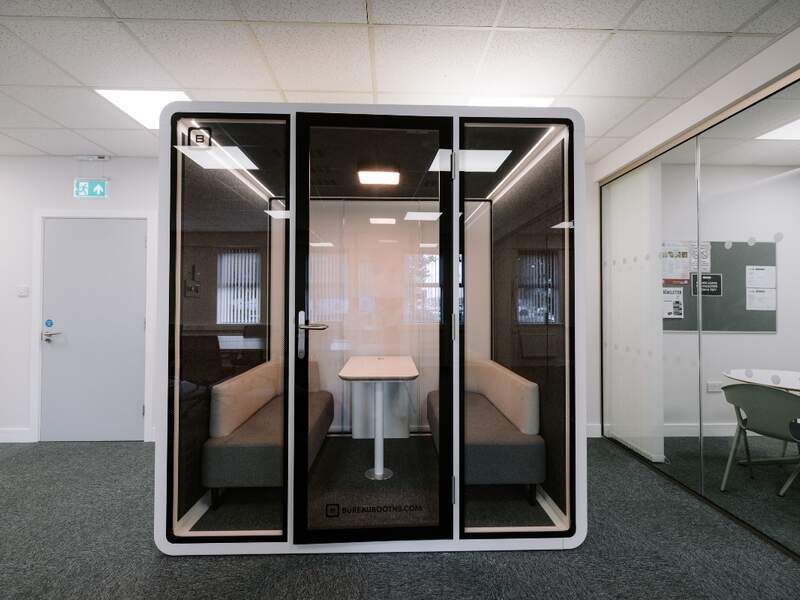
- Focus zones — quiet, low-distraction spaces for deep work
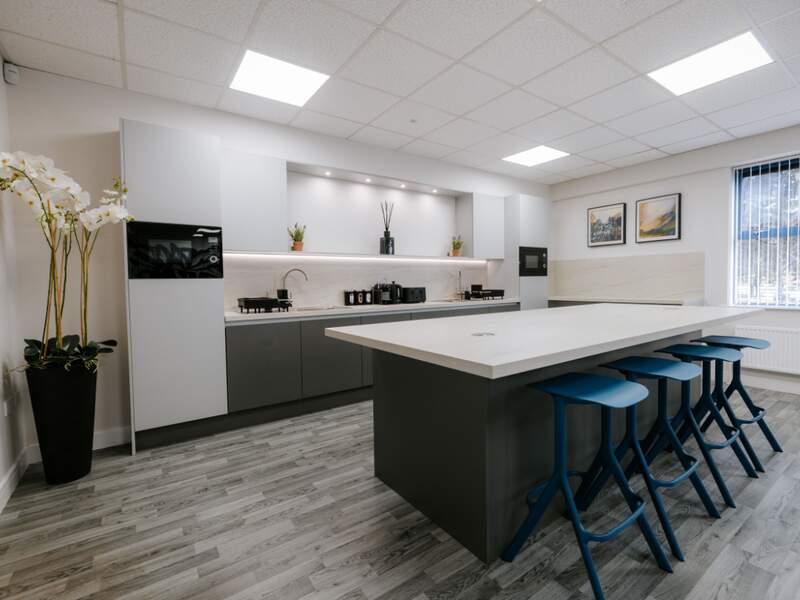
- Social zones — breakout areas and kitchens that support informal conversations and relationship-building
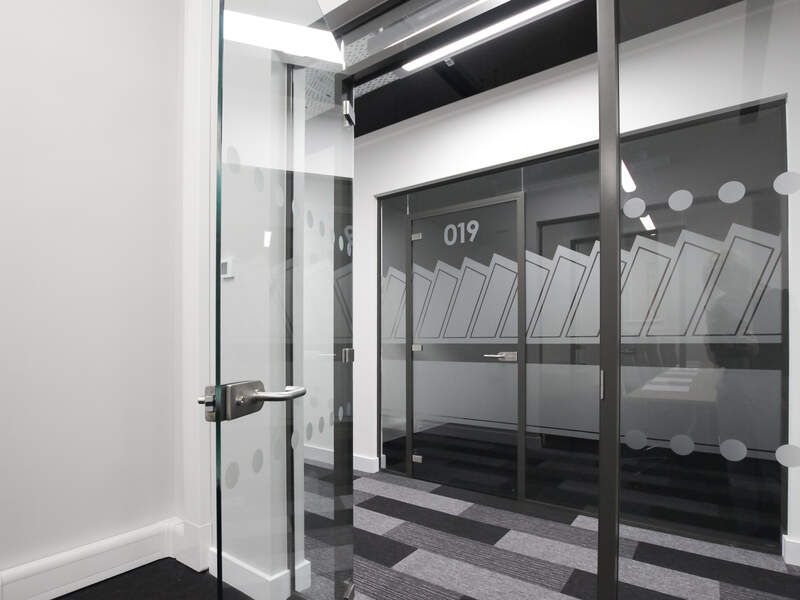
- Meeting zones — bookable rooms for client calls, video meetings, and presentations
This approach reflects why people come into the office in a hybrid model: to collaborate, connect, and meet — not simply to sit at a desk they could use at home.
2. Hot Desking and Flexible Desking
With hybrid teams rarely all in on the same day, fixed one-person-per-desk allocations waste space and budget. Hot desking — where employees choose an available desk each visit; allows businesses to right-size their office footprint to actual attendance rather than headcount.
This is one of the most practical shifts for hybrid teams, and it's a core reason more businesses are moving into flexible, serviced office space rather than committing to large, traditional leases built around outdated occupancy assumptions.
3. Bookable Meeting Rooms and Private Spaces
In-office time is increasingly reserved for the things video calls do less well: workshops, client meetings, and team planning sessions. A hybrid-ready layout needs a strong ratio of meeting rooms and private spaces to open desking, with easy online booking so teams can plan their office days around confirmed room availability.
4. Technology-Enabled Spaces
Hybrid teams depend on seamless video conferencing, screen sharing, and reliable connectivity, whether they're dialling in from home or presenting from a meeting room. The best hybrid office layouts build this in from the start: rooms equipped with video conferencing hardware, strong Wi-Fi throughout, and enough power and charging points at every desk and breakout seat.
5. Comfortable, Informal Breakout Areas
Hybrid work has raised expectations of what an office should feel like. Breakout areas, lounge seating, and well-designed kitchens give teams a reason to stay and collaborate beyond scheduled meetings, helping rebuild the connections that are harder to maintain over video calls alone.
6. Scalable, Flexible Space
Hybrid working patterns shift constantly as teams grow, restructure, or change their in-office days. A layout that works today may not work in six months. This is why flexibility matters as much as design, office space that can scale up, down, or reconfigure without a lengthy lease renegotiation is far better suited to hybrid working than a static, long-term footprint.
Why Serviced Offices Suit Hybrid Teams
Serviced and managed office space is built around exactly this kind of flexibility. At Business First, our business centres offer a mix of private offices, coworking areas, and bookable meeting rooms, with utilities included and flexible terms that let you adjust your space as your hybrid working patterns evolve without the overhead of managing a traditional lease.
Rather than trying to retrofit a legacy office layout for hybrid work, businesses can move into space already designed around it.
If you're reviewing your office layout for a hybrid team, get in touch with Business First to talk through flexible office and coworking options across our business centres.
Our locations








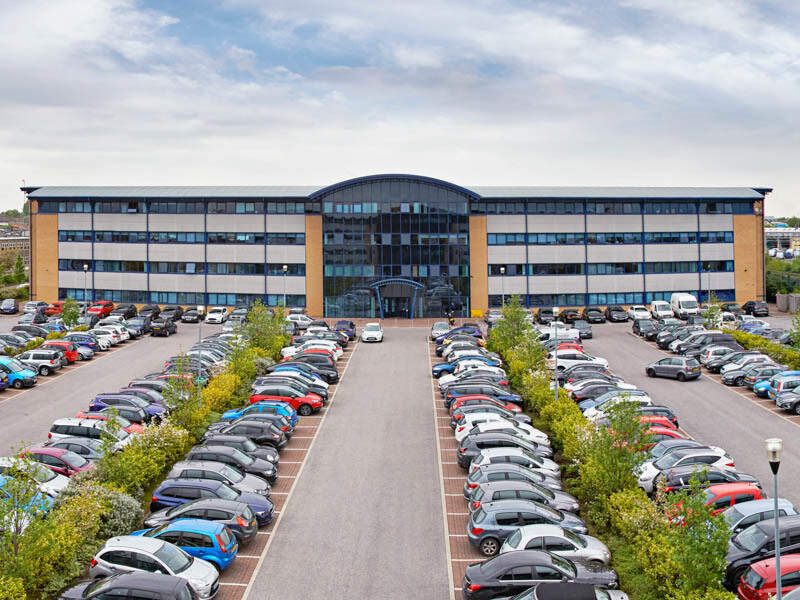


Rochdale Crown Business Centre
1 Crown Business Park (CBP), Cowm Top Lane
Rochdale OL11 2PU


Unit 6 - Blackburn with Darwen
Centurion Park, Davyfield Road
Blackburn with Darwen BB1 2QY


