


Serviced Offices vs Traditional Leases: Which Is Right for Your Business?
29 Jul 2026 –– Tips & Advice

Choosing between a serviced office and a traditional lease is one of the biggest decisions a growing business makes, and it shapes far more than just where your team sits. It affects cash flow, flexibility, and how easily you can scale up or down as your business changes.


Here's how the two compare, and how to work out which suits your business.
What Is a Traditional Office Lease?
A traditional lease is a long-term commercial agreement, typically running three, five, or even ten years. The business rents an empty or part-fitted space directly from a landlord. It takes on responsibility for fitting it out, furnishing it, and managing ongoing costs like utilities, business rates, maintenance, and reception or facilities support.
Traditional leases typically involve:
- Long lease terms (often 3–10 years)
- Upfront capital for fit-out, furniture, and equipment
- Separate contracts for utilities, internet, cleaning, and maintenance
- Limited flexibility to resize the space mid-term
- Full responsibility for repairs and building compliance
What Is a Serviced Office?
A serviced office is a fully fitted, ready-to-use workspace rented on a flexible, all-in agreement, usually monthly or on short-term rolling contracts. The provider handles the building, utilities, and day-to-day running, so a business can move in and start working immediately.
Serviced offices typically include:
- Flexible terms, from a few months to a few years
- Utilities included in one monthly cost
- Furnished, ready-to-use space from day one
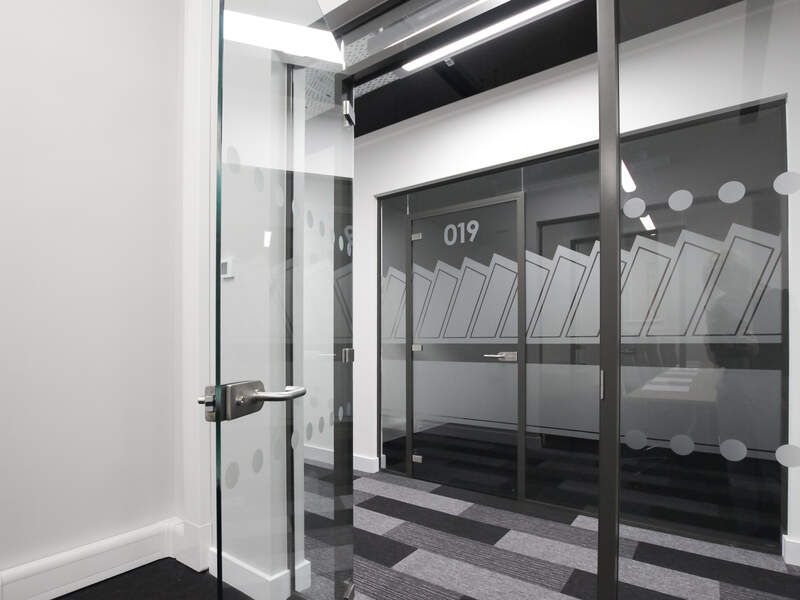
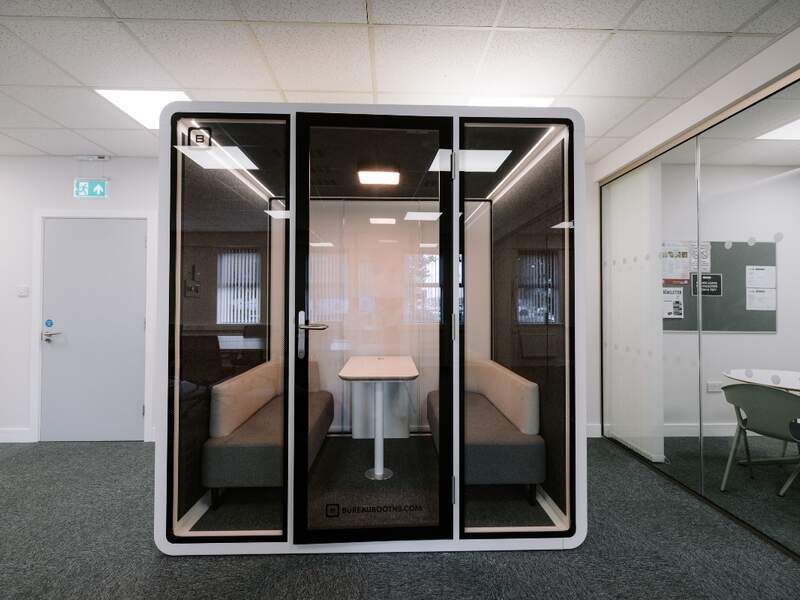
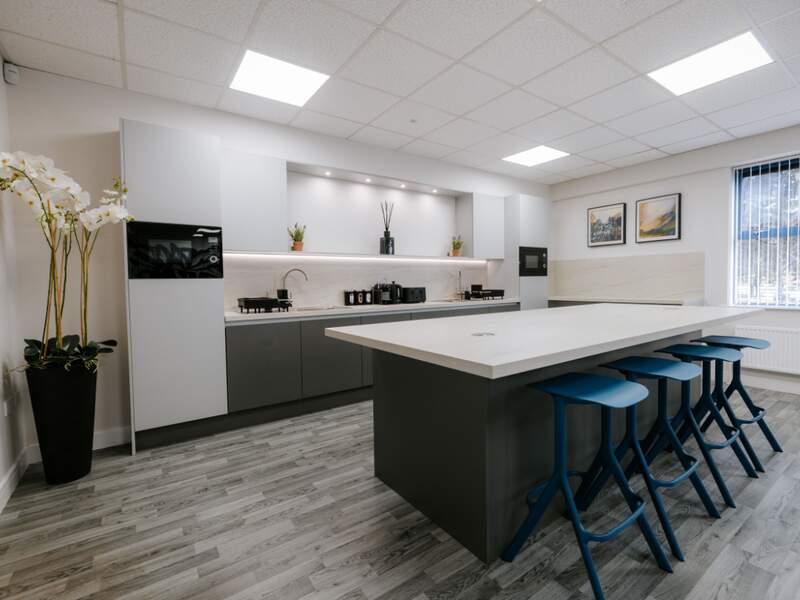
- Access to shared facilities: meeting rooms, kitchens, reception
- The ability to scale space up or down as the business changes
Key Differences at a Glance: Traditional Lease vs. Business First Serviced Offices
| Term length | 3–10 years | Rolling contract |
| Upfront cost | High (fit-out, furniture, deposit) | One month's deposit |
| Utilities & maintenance | Managed separately by the business | Utilities included |
| Flexibility to resize | Low — fixed for lease term | High — scale as you grow |
| Speed to move in | Weeks to months | Often within days |
When a Traditional Lease Makes Sense
Traditional leases can work well for larger, established businesses with predictable headcount and a clear long-term footprint, particularly where a business wants full control over fit-out and branding, and has the capital to invest upfront.
When a Serviced Office Makes Sense
A serviced office tends to suit growing or hybrid businesses that need to move quickly, avoid high upfront costs, and stay flexible as team size or working patterns change. It also suits businesses testing a new location or region without committing to a long-term lease before they know how the market performs.
There's no universally "better" option — it depends on how predictable your space needs are and how much flexibility you value. For many growing and hybrid businesses, the lower upfront cost, included utilities, and ability to scale make serviced offices the more practical fit. If you're weighing up your options, get in touch with Business First to talk through flexible office space across our business centres.
Our locations








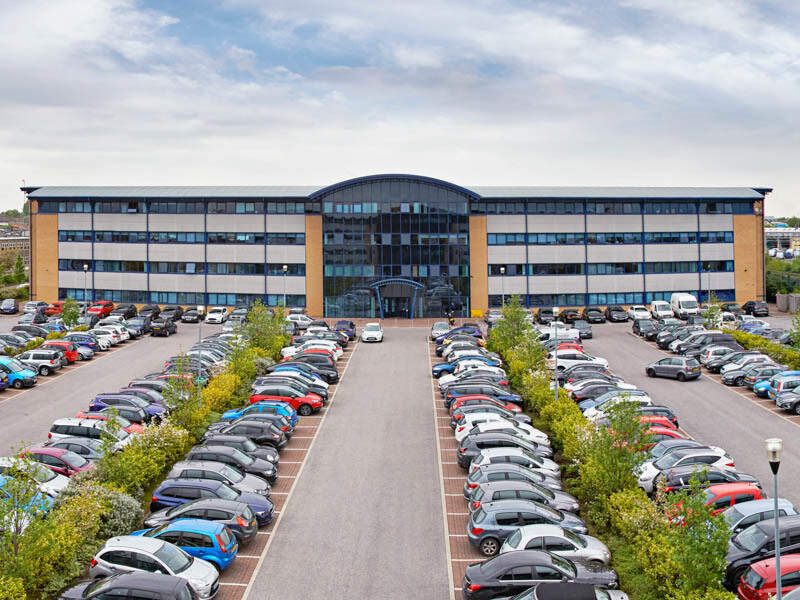


Rochdale Crown Business Centre
1 Crown Business Park (CBP), Cowm Top Lane
Rochdale OL11 2PU


Unit 6 - Blackburn with Darwen
Centurion Park, Davyfield Road
Blackburn with Darwen BB1 2QY


